Unity vs Unreal
Game Development
A Detailed look at these two powerful 3D Game Engines
The video game industry offers several powerful game engines, with Unity and Unreal Engine standing out as the most popular choices for developers. Both engines provide robust tools for creating 3D games, but they each have unique strengths and weaknesses. This article delves into the differences, pros, and cons of Unity 3D and Unreal Engine to help you choose the best platform for your next game development project.
Unity 3D
Overview:
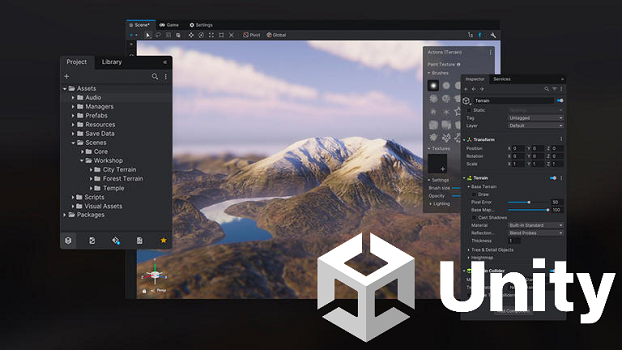
Unity 3D, developed by Unity Technologies, is a versatile game engine known for its ease of use, extensive asset store, and wide platform support. It caters to both beginners and experienced developers.
Pros:
1.  Ease of Use: Unity’s user-friendly interface and scripting in C# make it accessible to beginners. The learning curve is relatively gentle compared to other engines.
2.  Asset Store: Unity’s Asset Store offers a vast library of pre-made assets, scripts, and tools that can significantly speed up development.
3.  Platform Support: Unity supports a wide range of platforms, including PC, consoles, mobile devices, VR/AR headsets, and web browsers.
4.  Community and Documentation: A large, active community and comprehensive documentation provide ample support and resources for troubleshooting and learning.
5.  Performance: Unity is well-optimized for 2D and 3D games, making it a flexible choice for various game types.
Cons:
1.  Graphics: While Unity’s graphics capabilities are strong, they are generally considered less advanced than Unreal Engine’s out-of-the-box visual quality.
2.  High-End Performance: Unity can struggle with performance in highly complex or photorealistic projects compared to Unreal.
3.  Licensing: Although Unity offers a free version, advanced features and revenue caps may require a subscription to Unity Pro, which can be costly for indie developers.
Unreal Engine
Overview:
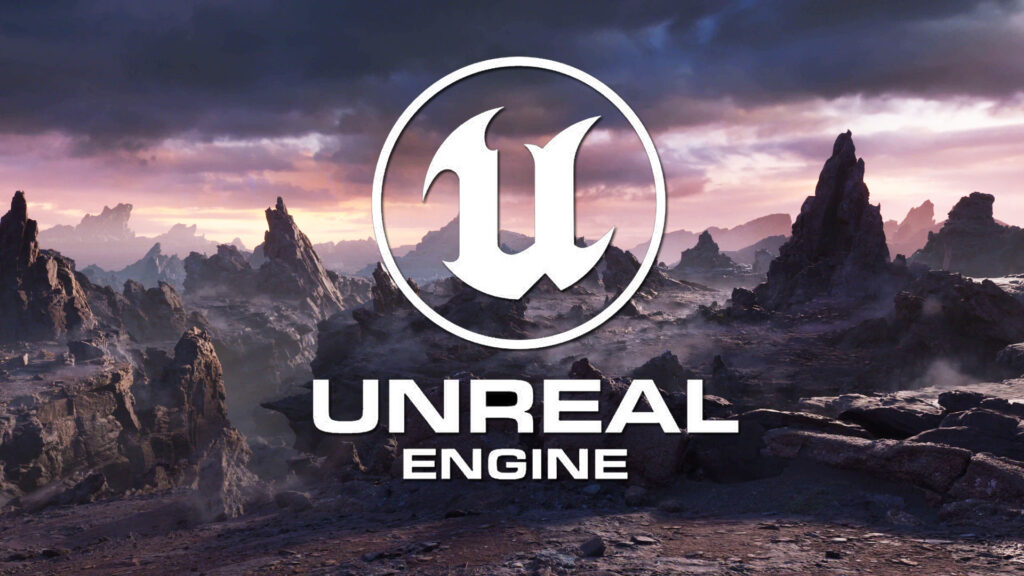
Unreal Engine, developed by Epic Games, is renowned for its stunning graphics, powerful tools, and suitability for high-end, AAA game development. It is widely used in both the gaming industry and other industries like film and architecture.
Pros:
1.  Graphics Quality: Unreal Engine is famous for its cutting-edge graphics capabilities, providing out-of-the-box photorealism and advanced visual effects.
2.  Blueprint System: Unreal’s Blueprint visual scripting system allows developers to create complex gameplay mechanics without writing code, making it accessible for designers and artists.
3.  Performance: Unreal Engine is highly optimized for high-end performance, making it ideal for large-scale, graphically intensive projects.
4.  Licensing: Unreal offers a royalty-based licensing model where developers pay a percentage of their revenue after exceeding a certain threshold, which can be advantageous for smaller developers.
5.  Cross-Industry Use: Unreal Engine’s tools are used beyond gaming, in industries like film, architecture, and simulation, offering versatility for developers interested in these fields.
Cons:
1.  Complexity: Unreal Engine has a steeper learning curve, particularly for beginners. Mastering its powerful features can be time-consuming.
2.  Resource Intensive: Developing with Unreal often requires more powerful hardware, both for development and for running the final product, which can be a barrier for some developers.
3.  Community and Documentation: While Unreal has a strong community and documentation, it is not as extensive as Unity’s, which can make finding resources and support more challenging at times.
Key Differences
1.  Scripting Language: Unity uses C#, which is often considered easier for beginners, while Unreal primarily uses C++, which can be more challenging but offers deeper control over game systems.
2.  Visual Scripting: Unreal’s Blueprint system is a standout feature for creating gameplay without code. Unity has a visual scripting tool called Bolt, but it’s generally considered less mature compared to Unreal’s Blueprint.
3.  Asset Pipeline: Unity’s extensive Asset Store provides a significant advantage in quickly finding and integrating assets. Unreal also has an asset marketplace, but it’s not as extensive as Unity’s.
4.  Industry Usage: Unity is widely used in mobile game development and indie projects, while Unreal is more common in AAA game development and industries requiring high-end graphics and performance.
Conclusion

Choosing between Unity 3D and Unreal Engine ultimately depends on your project requirements, team expertise, and goals. Unity is ideal for developers seeking ease of use, extensive asset support, and a broad range of platform compatibility. It’s particularly strong in mobile and 2D game development. On the other hand, Unreal Engine is the go-to choice for developers aiming for high-end graphics, complex gameplay mechanics, and large-scale projects. It shines in AAA game development and industries requiring top-tier visual fidelity.
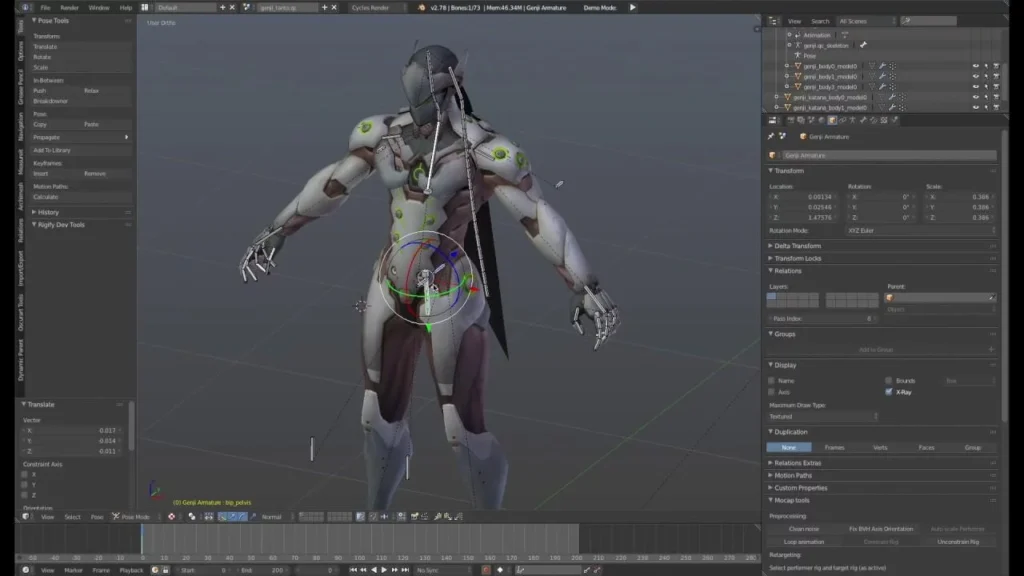
Both engines are continually evolving, so staying updated with their latest features and improvements is crucial. Whether you’re an indie developer or part of a large studio, understanding the strengths and limitations of Unity and Unreal will help you make an informed decision and bring your creative vision to life.